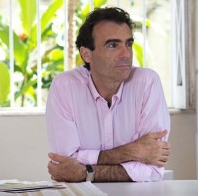
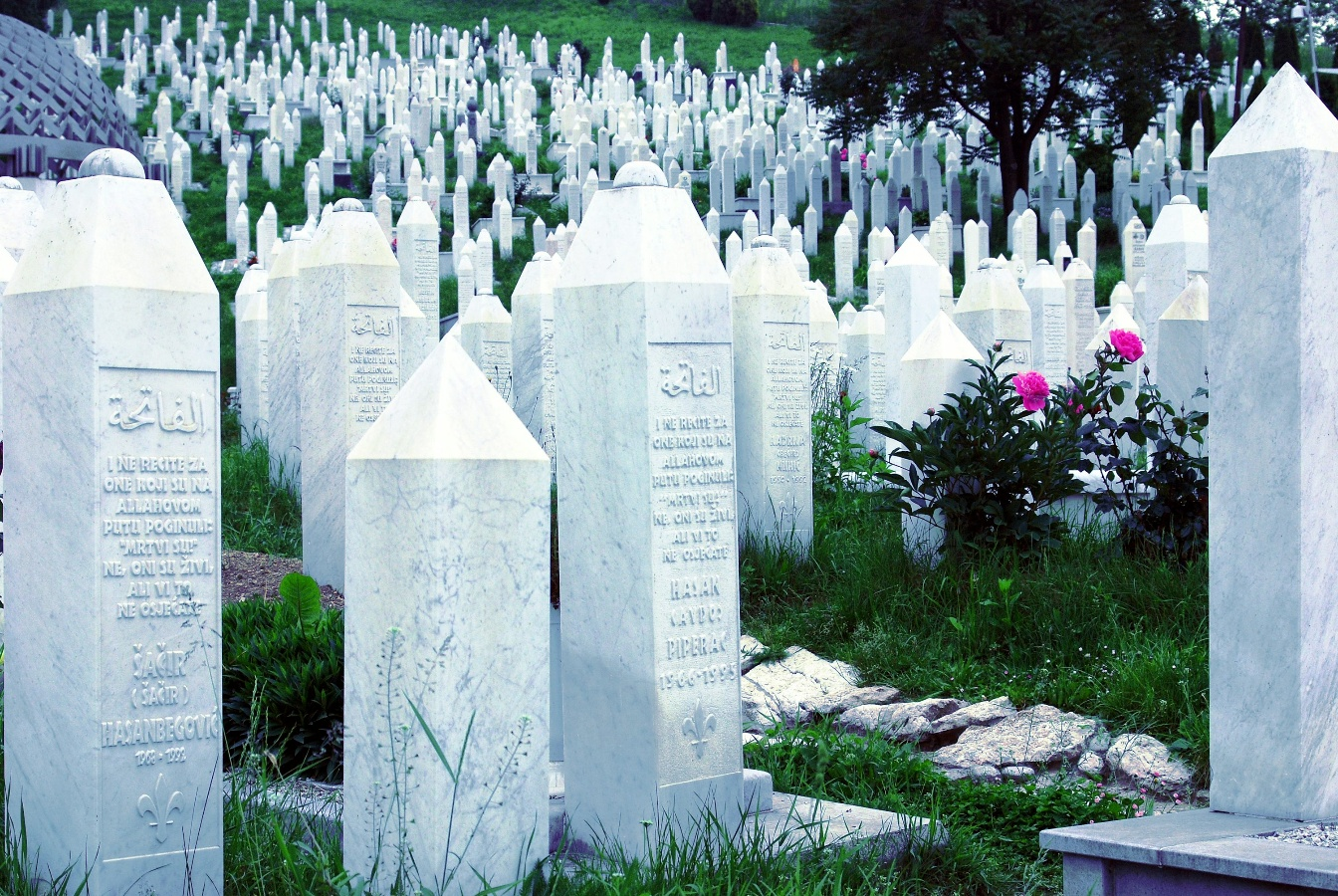
Srebrenica remains one of the most painful failures of international diplomacy, humanitarian presence, and of my own experience. It raises enduring questions about what it means to bear witness, to speak out, and to act—or not act—when faced with mass atrocity.
We were there. And we were powerless
As humanitarian actors, we were present in Srebrenica from 1993, supporting clinics, treating the wounded, and trying to supply a starving enclave. But when the killings began, we could only protect some staff. We were witnesses, not shields. Helpers, not deterrents.
The illusion of protection provided by the “safe area” was a false promise, underpinned by under resourced peacekeepers, political hesitation and a humanitarian presence powerless against the killing machinery.
The international community (NATO, the UN, and Western powers) intervened decisively only after the massacre, reflecting their geopolitical priorities and treating Bosnia more as a territory to manage than a sovereign entity.
Lessons that should have changed us
Humanitarians learned—or should have learned—hard truths: sidelining local voices and viewing conflicts through a Western-centric lens distorted understanding and response. The focus on control and stability often come at the expense of justice and reconciliation. Presence alone in this case did not protect people; it only meant witnessing violence. Silence in the name of neutrality risked complicity, blurring the line to moral failure. Humanitarianism must never excuse international inaction or replace political courage and military protection.
Beyond these, a crucial lesson is often missed: in crises like Srebrenica—and Gaza today— humanitarian efforts must move beyond emergency aid and support non-humanitarian solutions to genocide and crimes against humanity. What might have saved lives in Srebrenica was not another medical convoy with surgical supplies, but the courage to open safe corridors for families to escape to central Bosnia and reunite. In Gaza, by contrast, while people might seek to flee, Israel’s self-declared “right of no return” denies Palestinians the ability to leave and return home, trapping them in a dire and inescapable situation.
International justice: always too late, yet so necessary
It took years for international courts to deliver justice to some architects of the genocide. The International Criminal Tribunal for the former Yugoslavia (ICTY) helped define genocide jurisprudence and accountability standards. Radovan Karadjic, Ratko Mladic, and Slobodan Milosevic were captured and judged. But survivors waited too long. Many perpetrators still live freely. And the genocide itself is still denied in parts of Bosnia and across the wider region. While it’s not the role of humanitarians to serve as enforcers of justice, still, it is part of the humanitarian challenge: not to deliver justice directly, but to preserve memory, provide data, defend truth, and protect space for survivors to speak.
What have we truly learned? From Srebrenica to today: the echoes are loud
As we mark this 30th anniversary, we are haunted by the similar moral crises: in Gaza, Sudan, Tigray, and Myanmar, civilians are systematically targeted, starved, displaced, and bombed, often in full view of the world. How ready are we to speak clearly when we see patterns of extermination? How do we challenge government duplicity? Can we tell access at any cost from access that truly helps?
The responsibility to remember and to act
Commemorating Srebrenica must be more than mourning. It should serve as institutional memory for humanitarian organizations. If we say “never again,” we must act as if we mean it—by recognizing 30 years later the early signs of atrocity, resisting political pressures to downplay them, and demanding action even when it risks our access.
Because the next Srebrenica does not always come with warning sirens. It often comes slowly, then all at once: while the world debates semantics, waits for verification, or chooses to look away.
Related:
List of Victims | Remembering Srebrenica
Remembering Srebrenica – Remembering the Bosnian Genocide
Bosnia and Herzegovina: The Fall of Srebrenica and the Failure of UN Peacekeeping | HRW
MSF - Médecins Sans Frontières | Medical humanitarian organisation
Bosnia and Herzegovina | MSF medical and humanitarian aid
Serbia | MSF medical and humanitarian aid
Forgotten people of the Balkans | MSF

 Unwritten Lives uses only essential cookies required for basic functionality.
We do not use analytics, tracking, or advertising cookies.
Unwritten Lives uses only essential cookies required for basic functionality.
We do not use analytics, tracking, or advertising cookies.