I believe that what most people think they know about addiction is based on myth, half-truths, and lazy stereotypes. The image of the addict that dominates our screens and newspapers is one of a broken, street-hardened figure, clutching a bottle or a syringe, shuffling from one doorway to the next. TV dramas show addicts as villains, victims, or lost causes, rarely as human beings with stories, responsibilities, and families. It is a comforting lie for society to believe that addiction happens only to the visibly damaged. It allows us to draw a safe line between them and us.
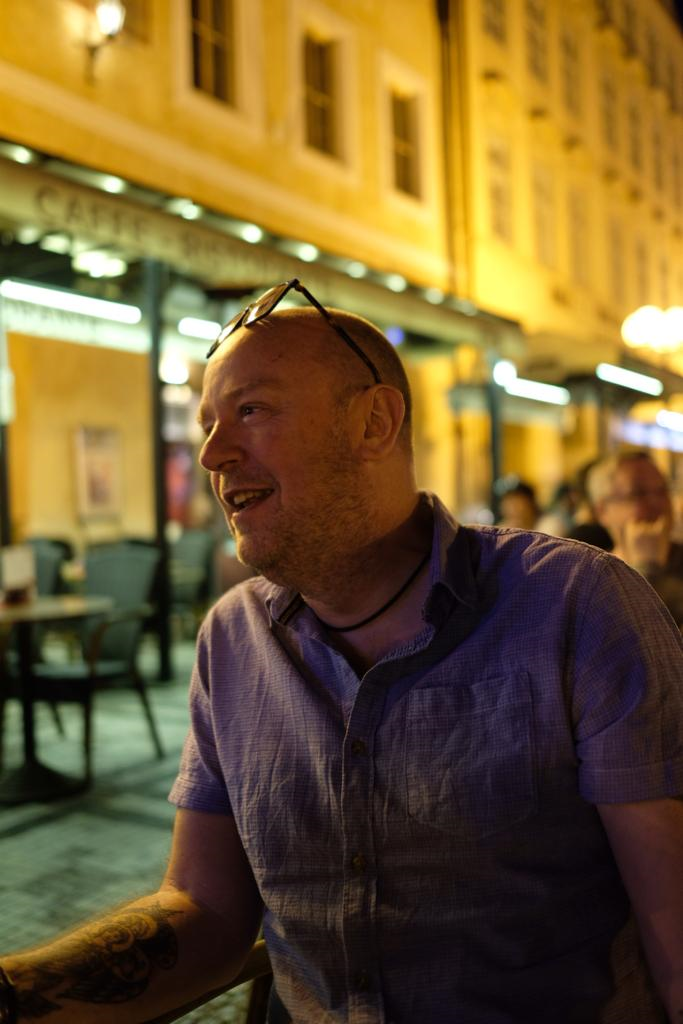
I am 13 years abstinent from drugs and alcohol. During that time, I have supported many with the same struggle, including street homeless addicts. I have listened to them describe the fear that seeps into their bones each night, the constant threat of violence, the vermin crawling over them as they try to sleep. When you are cold, starving, and terrified, drugs and alcohol become the only recourse. They offer warmth when there is none, calm when every nerve screams. Trying to get clean while living on the streets is not a matter of willpower; for some, it is an act of pure heroism. Yet society still sneers. It calls them weak, self-inflicted, or hopeless.
But here is the truth: the man you see sleeping rough, the woman begging outside the supermarket, they are not the “typical addict.” They are the visible tip of a vast and hidden crisis. Government statistics from just a couple of years ago show that only three percent of people who make it through to traditional addiction recovery come from a street homeless background. Three percent! That means the overwhelming majority of addicts are living behind closed doors, holding down jobs, caring for children, pretending to cope. Addiction is not limited to one class or a single postcode; it creeps into every kind of home.
Over the years from 2019 to 2023, the story barely changed: around 650 people each year lost their lives on the streets to addiction-related causes. A terrible number, yes. But most deaths from addiction do not happen on the pavement. They happen in flats, bedrooms, and bathrooms. They happen quietly, privately, and often in shame. The myth that addiction belongs to the streets allows the rest of society to look away. It makes the issue someone else’s problem, a tragedy for the “unfortunates,” while those struggling in silence are left to fall through the cracks.
What so few understand is that trauma sits at the centre of most addicts' stories. Not always as the original cause, but as the active ingredient that keeps the cycle alive. Trauma warps perception, rewires the body, and drives people toward whatever offers a brief sense of control or relief. It might begin as a survival mechanism, but it becomes a trap. When every cell is charged with fear or grief, a substance that numbs or soothes starts to look less like self-destruction and more like medicine.
Addiction does not discriminate. Society does. The system does. If you are struggling with bipolar, schizophrenia, a personality disorder, or if you are neurodivergent, your chances of getting help shrink dramatically. Mental health services won’t always take you on because substance use is a barrier to other specialist support. Addiction services struggle to help you because of your complex conditions. You are left to spiral between departments, your crisis bouncing around on someone else’s referral list.
This is not a broken system. It is a system built to break people. Until we admit that addiction is a human condition, not a moral failing, and until we treat those who suffer with dignity rather than disgust, the cycle will continue. Society’s myths about addiction do not protect anyone. They only protect our ignorance.

 Unwritten Lives uses only essential cookies required for basic functionality.
We do not use analytics, tracking, or advertising cookies.
Unwritten Lives uses only essential cookies required for basic functionality.
We do not use analytics, tracking, or advertising cookies.